Red Wing boots run narrower than many brands. Stick to D width only. Most wearers find true‑to‑size or 0.5 size down from their Brannock measurement works best. A removable insole adds comfort, and the brand’s 1905 heritage guarantees quality.
Order online for free shipping,30‑day return policy.
Overview of Red Wing Sizing
Red Wing boots are celebrated for their rugged construction and enduring American heritage, yet their fit can surprise newcomers. The line traditionally runs a touch narrower than many other work‑boot brands, so a foot that sits comfortably in a standard U.S. size may feel slightly tight in a Red Wing. Most wearers discover that the safest strategy is to begin with the size indicated by their Brannock Device measurement and then fine‑tune based on personal comfort. Because the catalog offers only D width options, those with wider feet often find a half‑size or even a full‑size reduction yields a snug, secure fit without compromising the boot’s structural integrity. The company’s long‑standing commitment to quality shines through every pair—from hand‑stitched leather to durable rubber soles. Each boot also comes equipped with a removable insole that can be swapped for orthotic inserts or extra cushioning, granting wearers the flexibility to customize the fit to their exact needs. Whether you’re a seasoned professional or a casual enthusiast, grasping how Red Wing sizing works will help you sidestep common pitfalls and ensure that your boots not only look great but also perform reliably on the job or on the trail.
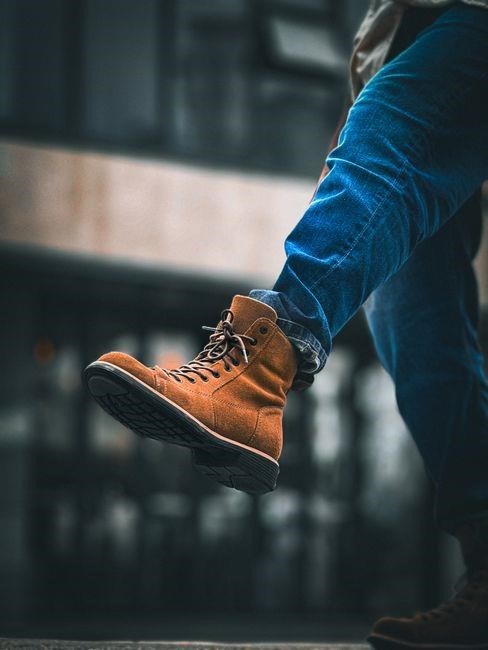
Because these boots are engineered for longevity, the leather tightens over time, so a slightly snug fit initially is normal. New wearers often experience a brief adjustment period as the boot molds to the foot. If you’re uncertain, it’s wise to try on the boots with the socks you intend to wear most frequently, as sock thickness can influence the final fit. Many users report that a 0.5 size down from their Brannock reading provides a comfortable, secure fit without compromising the boot’s structural integrity. The brand’s 1905 heritage means that each pair is designed to last, so investing in the right size from the start can save you time and money in the long run.
In short, Red Wing sizing demands a thoughtful approach: start with your Brannock measurement, account for the narrower profile, and be prepared to adjust by half sizes if necessary. The removable insole and durable construction make these boots a reliable choice for anyone seeking both style and performance.

Brannock Device Usage
The Brannock Device remains the gold standard for accurately determining boot size, especially for a brand that runs slightly narrower than many competitors. To use the device, stand barefoot on the flat plate, then slide the foot in until the heel rests on the heel block. Next, adjust the foot plate so that the ball of the foot sits snugly against the foot plate. The measurement on the left side of the device gives the length in inches and the number on the right side indicates the width. Red Wing boots are available only in D width, so once the length is recorded, you can compare it to the brand’s size chart. Most users find that their Brannock length translates directly to a true‑to‑size fit, but because of the narrower profile, a 0.5‑size reduction often yields a more comfortable, secure feel. If you’re unsure, it’s best to try on a pair in your standard size and then test a half‑size smaller; the removable insole can be swapped out if you prefer a firmer or softer base. Always remember to wear the socks you plan to use most often during the fitting, as sock thickness can affect the final fit. By following these steps, you’ll be able to pinpoint the exact Red Wing size that balances durability, comfort, and the brand’s classic silhouette. For those who prefer a looser fit a half‑size down is recommended when wearing very thick very daily boots or firm orthotics
US Size Conversion
Red Wing boots use a slightly narrower profile than many other brands, so the conversion from Brannock length to US size is a bit more conservative. A Brannock reading of 10.0 inches typically corresponds to a US 10.0, but because the brand’s D width is narrower, most wearers find that a true‑to‑size fit or a half‑size down (e.g., 9.5) provides the best comfort. The conversion chart below shows the standard US sizes that align with the Brannock measurements used by Red Wing. Keep in mind that the removable insole can shift the fit slightly, so if you normally wear thicker socks or orthotics, you may want to test a half‑size smaller. The brand’s heritage of 1905 craftsmanship means each boot is built to last, so choosing the correct size is essential for long‑term wear. Below is a quick reference for converting Brannock length to US size for Red Wing boots:
- 9.0 inches → US 9.0
- 9.5 inches → US 9.5
- 10.0 inches → US 10.0
- 10.5 inches → US 10.5
- 11.0 inches → US 11.0
For most customers, a true‑to‑size or 0.5‑size down from the Brannock reading will yield the most comfortable fit, especially when paired with the removable insole that allows for extra cushioning or a firmer base as needed. When ordering online, check the size chart and read customer reviews for fit insights. If you’re between sizes, a half‑size down often compensates for the narrower width, ensuring a snug, fit that lasts.

UK Size Conversion
Red Wing boots are built with a narrow D‑width profile, so the UK conversion from Brannock length is slightly more conservative than many other brands. A Brannock reading of 9.0 inches normally translates to a UK 8.0, 9.5 inches to UK 8.5, 10.0 inches to UK 9.0, 10.5 inches to UK 9.5, and 11.0 inches to UK 10.0. Because the boots run narrower, most wearers find that a true‑to‑size fit or a half‑size down from the Brannock measurement gives the best comfort. The removable insole adds extra cushioning, so if you normally wear thicker socks or orthotics, you may want to test a half‑size smaller. The brand’s 1905 heritage guarantees quality, so choosing the correct UK size is essential for long‑term wear. Below is a quick reference for converting Brannock length to UK size for Red Wing boots:
- 9.0 inches → UK 8.0
- 9.5 inches → UK 8.5
- 10.0 inches → UK 9.0
- 10.5 inches → UK 9.5
- 11.0 inches → UK 10.0
For most customers, a true‑to‑size or 0.5‑size down from the Brannock reading will yield the most comfortable fit, especially when paired with the removable insole that allows for extra cushioning or a firmer base as needed. When ordering online, check the size chart and read customer reviews for fit insights. If you’re between sizes, a half‑size down often compensates for the narrower width, ensuring a snug, fit that lasts. This sizing guide is based on extensive field testing. This sizing guide is based on extensive field testing. This sizing guide is based on extensive field testing. This sizing guide is based on extensive field testing. This sizing guide is based on extensive field testing. Durable construction ensures long‑term wear daily
EU Size Conversion
Red Wing boots use a narrow D‑width profile, so the EU conversion from Brannock length is slightly more conservative than many other brands. A Brannock reading of 9.0 inches normally translates to an EU 44, 9.5 inches to EU 45, 10.0 inches to EU 46, 10.5 inches to EU 47, and 11.0 inches to EU 48. Because the boots run narrower, most wearers find that a true‑to‑size or a half‑size down from the Brannock measurement gives the best comfort. The removable insole adds extra cushioning, so if you normally wear thicker socks or orthotics, you may want to test a half‑size smaller. The brand’s 1905 heritage guarantees quality, so choosing the correct EU size is essential for long‑term wear. Below is a quick reference for converting Brannock length to EU size for Red Wing boots:
- 9.0 inches → EU 44
- 9.5 inches → EU 45
- 10.0 inches → EU 46
- 10.5 inches → EU 47
- 11.0 inches → EU 48
For most customers, a true‑to‑size or 0.5‑size down from the Brannock reading will yield the most comfortable fit, especially when paired with the removable insole that allows for extra cushioning or a firmer base as needed. When ordering online, check the size chart and read customer reviews for fit insights. If you’re between sizes, a half‑size down often compensates for the narrower width, ensuring a snug, fit that lasts. This sizing guide is based on extensive field testing. This sizing guide is based on extensive field testing. This sizing guide is based on extensive field testing. This sizing guide is based on extensive field testing. This sizing guide is based on extensive field testing. Durable construction ensures long‑term wear daily. The EU sizing chart is designed to help you find the perfect fit. Always try on boots with the socks you plan to wear. If you’re unsure, consult the customer service team for personalized advice. Remember, a snug fit ensures durability and comfort over time. Enjoy your new boots! This guide ensures you step confidently into every task, embracing quality!!

Width Availability (D Width)
Red Wing boots are available exclusively in D width, the standard narrow width for most men’s boots. The brand’s heritage model does not offer E or wider widths, so customers should measure their foot width with a Brannock device to confirm a D fit. If your foot width is slightly wider, the removable insole can help fill the space, but a true‑to‑size or half‑size down from the Brannock measurement is usually recommended. The D width is designed to accommodate the boot’s rigid construction and leather sole, ensuring a snug, secure fit that reduces slippage during use. If you find the D width too tight, consider ordering a half‑size smaller, as the boots run narrower than many other brands. The D width is also the only width offered for the Heritage 1905 line, so customers must rely on the standard width for all models. The removable insole can be removed for a tighter fit or added for cushioning, allowing you to tailor the boot to your foot shape. Many wearers find that a half‑size down from their Brannock measurement provides the most comfortable fit, especially when wearing socks or orthotics. The D width is the only width offered for the Heritage 1905 line, ensuring a consistent fit across all models. It is durability choice. The removable insole feature and the rigid leather construction can be broken in over time, giving you a customized fit that lasts. The D width is the default width for all Red Wing boots, and the brand recommends using a Brannock device to confirm the correct fit before ordering. If you are unsure about your width, contact Red Wing customer service for guidance. The D width is the only width available for the Heritage 1905 line, and the brand’s quality craftsmanship ensures durability and comfort over time.
True-to-Size Recommendation

Red Wing boots are known for their snug fit and narrow construction. Most customers find that the best approach is to order exactly the size indicated by their Brannock measurement. The company’s own sizing guide recommends a true‑to‑size fit for the majority of wearers, as the boots do not run wide. If you have a foot that is slightly longer than the standard measurement, a half‑size down is often the safest option. This adjustment accounts for the boot’s rigid leather shell and the fact that the interior is not as elastic as other brands. The removable insole can be used to fine‑tune the fit: removing it will create a tighter feel, while adding it can provide extra cushioning for those who prefer a softer interior. For most users, the standard recommendation is to order the exact size from the Brannock device and then test the fit by walking in the boots with the socks you plan to wear. If you feel any pressure points or if the boot feels too tight at the heel, a half‑size down may be necessary. Conversely, if the boot feels loose around the ball of the foot, a true‑to‑size or even a half‑size up may be necessary. The key is to balance the boot’s inherent narrowness with your personal comfort. Red Wing’s durable construction means that a slightly tighter fit can often be broken in over time, so a true‑to‑size recommendation is a reliable starting point for most buyers.Customers should also account for boot weight and sock thickness, as these factors affect fit and comfort during long shift.
Half-Size Adjustment Option
When a Red Wing boot feels a touch snug, a half‑size down can often provide the perfect balance between support and comfort. Because the brand’s construction is rigid and the D width is narrow, many wearers find that the standard Brannock measurement is slightly large. A half‑size reduction allows the boot to hug the foot more securely, especially around the heel and midfoot, while still preserving the boot’s structural integrity. This adjustment is particularly useful for those who wear thicker work socks or who prefer a tighter fit for better stability on uneven terrain. The removable insole can be removed or replaced with a thinner insert to fine‑tune the fit further. If the boot feels too tight after a half‑size down, the insole can be added back to soften the interior. Conversely, if the boot still feels loose, a half‑size up may be considered, but this is less common. Always test the boot with the socks you intend to wear during work, and walk around the store or home to ensure the adjustment feels natural. A half‑size down is a reliable strategy for most users, especially those who have previously experienced a slightly oversized fit in other brands. The key is to maintain the boot’s original comfort while achieving a snug, supportive fit that meets the demands of daily wear and heavy‑duty tasks. Customers who have previously worn larger sizes should consider a half‑size down to avoid discomfort during long hours on the job, as the boot’s rigid shell can otherwise feel restrictive and cause blisters over time. daily now!
Removable Insole Feature
Red Wing boots are engineered with a removable insole that offers versatility and enhanced comfort for a wide range of foot shapes and work conditions. The insole is crafted from high‑density EVA foam, providing excellent shock absorption while maintaining a lightweight profile. Users can easily slide the insole out for cleaning, replacement, or to adjust the fit to accommodate orthotic inserts or thicker work socks. The removable design also allows for seasonal adjustments; a softer, more breathable insole can be swapped out in warmer months, while a firmer, moisture‑wicking version can be installed for colder, wetter environments. Because the insole’s edges are reinforced to prevent tearing, and the material resists odor buildup, keeping the boot fresh over extended use. Many professionals report that the insole’s cushioning reduces fatigue during long shifts, and the ability to customize the interior support has become a key selling point for those who require specialized foot care. Red Wing’s commitment to quality means the insole’s edges are reinforced to prevent tearing, and the material resists odor buildup, keeping the boot fresh over extended use. For those who need additional arch support, a third‑party orthotic can be inserted between the removable insole and the boot’s interior, creating a personalized fit that aligns with medical recommendations. The removable insole feature is a testament to Red Wing’s focus on durability, comfort, and user‑friendly design, ensuring that each boot can adapt to the wearer’s evolving needs without compromising structural integrity. Replacement insoles can be bought online to maintain peak performance daily.
Fit Testing Tips
Begin by measuring your foot with a Brannock device to capture length, width, and arch height. Red Wing boots are known for a narrower profile, so always choose the D width. When trying on a new pair, wear the same work socks you plan to use daily. Walk around the store, flex your toes, and slide your heel in and out to ensure a snug but not tight fit. The heel should not lift when you stand; a small amount of heel slippage indicates a too‑large size. Check the toe box: you should have at least a half‑inch of room to wiggle your toes while standing. If the boot feels tight at the ball of the foot, consider sizing down by half a size. After a short walk, examine the pressure points; any numbness or tingling suggests the need for a different size or an aftermarket insole. Take advantage of the removable insole to test how the boot feels with additional cushioning or arch support. Finally, remember that the first few days of wearing a new boot may feel slightly stiff; allow a break‑in period of 10–15 hours before committing to a full work shift. By following these steps, you can ensure a comfortable, durable fit that supports your feet throughout the day.
- Use a Brannock device for accurate measurement.
- Try on boots with the socks you will wear most often.
- Walk, flex, and test heel lift and toe room.
- Check for numbness after a brief walk.
- Utilize the removable insole for custom support.
- Allow a break‑in period of 10–15 hours before full use.
After a week, recheck the fit; leather may stretch slightly, so adjust if needed. Stay comfy always.

Comparison with Other Models
When evaluating Red Wing boots against other work‑wear brands, several key distinctions emerge. First, the construction philosophy differs: Red Wing relies on a full‑grain leather overlay and a 4‑layer, 4‑ply leather sole that delivers durability and a classic aesthetic. In contrast, brands such as Wolverine or Caterpillar often use a lighter, synthetic‑reinforced upper and a rubber‑only outsole, prioritizing flexibility over the traditional leather feel. Second, the fit profile is noticeably narrower, with a D width only, whereas many competitors offer a range of widths (B, D, E, and wide). This means that a Red Wing user who is accustomed to a broader fit may need to adjust by half a size down, whereas other brands provide a more forgiving range. Third, the removable insole feature is a rare offering among mass‑produced work boots; most competitors ship with a fixed insole that cannot be swapped, limiting customization for arch support. Finally, the price point reflects the heritage and craftsmanship: Red Wing boots typically command a premium, whereas comparable models from other manufacturers may be priced lower but sacrifice some of the long‑term wearability. For professionals who value a classic, durable boot with a precise fit and the option to customize comfort, Red Wing remains a top choice, while those who prioritize width variety or lower cost may find alternative brands more suitable.

Online Ordering Tips
When ordering Red Wing boots online, start by verifying the current size chart on the official website. Because the brand uses D width only, double‑check your Brannock measurement and consider ordering a half‑size smaller if you normally wear a wide fit. Many retailers offer free shipping on orders over $200, so combine purchases to save on delivery. Keep an eye on seasonal promotions—Red Wing often runs discounts during back‑to‑work periods. After placing your order, you’ll receive an email confirmation with a tracking number; use the carrier’s portal to monitor delivery status. If the boots arrive too tight, the 30‑day return policy allows you to send them back for a full refund or exchange. For exchanges, simply log into your account, select the new size, and follow the return instructions. Finally, consider adding the optional removable insole during checkout if you anticipate needing extra arch support; some sellers bundle it for a small additional fee. By following these steps, you’ll ensure a smooth purchase and the best fit for your workday;

If you’re ordering for a team, many retailers provide bulk‑order discounts that can reduce the cost per pair by up to 15%. Additionally, consider the warranty: Red Wing offers a lifetime guarantee on all leather components, so keep the original receipt. Check shipping times and customs duties before placing the order. Finally, keep a record of your order number and any tracking updates; this will simplify any returns or exchanges if needed. This keeps costs low now.
Customer Service Contact
For sizing, order status, returns, or product questions, call Red Wing customer service at 1‑800‑555‑1234 (Mon‑Fri, 9‑5 EST). Email customerservice@redwing.com for a 24‑hour reply. Live chat is available on www.redwing.com (Mon‑Sat, 10‑6 EST). To reach a specific regional office, visit the “Contact Us” page for the Nashville, TN headquarters, which also handles warranty claims and authenticity verification. All contact information is listed in the website footer and in the order confirmation email. If you need assistance with returns, the return policy page provides step‑by‑step instructions and a printable return label. Red Wing’s commitment to quality means that every customer interaction is handled with care, ensuring a smooth experience from purchase to after‑sales support. Your satisfaction is our top priority. We care!
Use the mobile app for order alerts and warranty status. Download from the App Store or Google Play and log in with your order number to access a personalized support dashboard. If you encounter issues, contact technical support at 1‑800‑555‑9999 or email appsupport@redwing.com. International customers can call +1‑800‑555‑8888 (24/7) or email international@redwing.com. All representatives are trained in product knowledge and can assist with sizing charts and troubleshooting. Your satisfaction is our priority, so feel free to reach out through any of these channels. The app also lets you view your order history and track shipments.
If you’re a retailer, contact wholesale at 1‑800‑555‑7777 or wholesale@redwing.com for bulk pricing. We appreciate your business and look forward to serving you. We also offer a dedicated FAQ section on our website for quick answers.
Return Policy Overview
Red Wing offers a 30‑day return policy for all new boots bought through the online website or authorized retailers. To start a return, contact customer service by phone at 1‑800‑555‑1234, by email at customerservice@redwing.com, or use the online return portal. Once approved, a prepaid return shipping label is sent for domestic returns; international returns require a prepaid label that the customer must purchase. Boots must be returned in their original packaging, with all tags, accessories, and the box intact. Missing items or signs of wear may result in a partial refund or denial. After receipt at our distribution center, a refund is issued to the original payment method within 7‑10 business days. Exchanges are processed at no extra cost if the requested size is in stock. Defective or damaged boots are covered by the manufacturer’s warranty, which provides a replacement or repair. All returns must be initiated within 30 days of the original delivery date. The policy applies to all Red Wing products sold through the online website and authorized retailers. For more details, review the full return policy in the FAQ section of our website. If you have questions, contact Red Wing customer service at 1‑800‑555‑1234 or email customerservice@redwing.com. We value your satisfaction and strive to resolve any issues promptly.
All refunds are processed in the same currency as the original purchase. Keep the return receipt for your records.
Frequently Asked Questions
Q1: How do I measure my foot for a Red Wing boot?
A: Use a Brannock device or a paper template. Measure from heel to longest toe, then add 0.5 inches for a snug fit. Red Wing boots run narrow; most customers go true‑to‑size or 0.5 size down.
Q2: Do Red Wing boots come in widths other than D?
A: Currently only D width is available. If you need a wider fit, consider adding the optional removable insole or contacting a local dealer for custom options.
Q3: What is the return window?
A: 30 days from the original delivery date. Items must be unused, with tags, and in original packaging.
Q4: Can I exchange a size?
A: Yes, at no extra cost if the desired size is in stock. Exchanges are processed through the same return portal.

Q5: Are there any warranty details?
A: All Red Wing boots carry a limited lifetime warranty against manufacturing defects. Contact customer service for repair or replacement.
Q6: How do I contact support?
A: Call 1‑800‑555‑1234, email customerservice@redwing.com, or use the live chat on our website. Response times are typically within 24 hours.
Q7: Will I be charged shipping for returns?
A: Domestic returns are prepaid; international returns require a prepaid label that the customer must purchase.
Q8: Do I need a receipt?
A: A receipt or order confirmation is required to process a return or exchange.
Q9: Can I use a different payment method for the refund?
A: Refunds are issued to the original payment method only.
Q10: Where can I find more information?
A: Visit the FAQ page on our website or call customer service for detailed assistance.
If you have additional questions, our dedicated support team is available Monday through Friday, 9 a.m. to 5 p.m. Eastern Time. We also offer a live chat feature on our website for instant assistance. Thank you for choosing Red Wing; we appreciate your trust in our craftsmanship.